Skip to content

Egg Art: Step By Step Vinegar Etching Technique

  • by

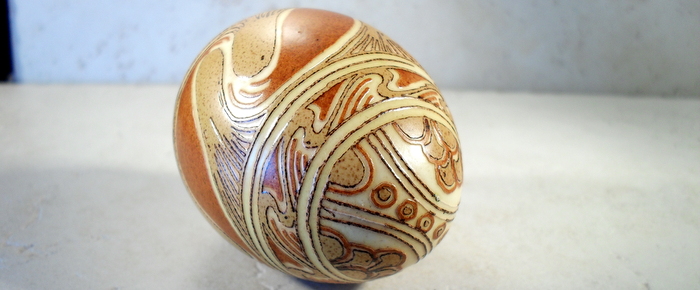
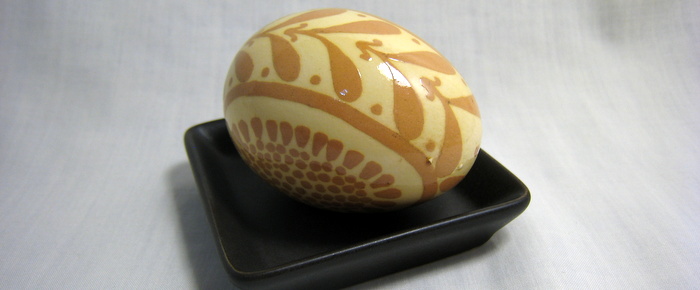
Vinegar etching is easy to do, and can produce dramatic results. Native American pottery and petroglyph designs are particularly adaptable to this method, as they use minimal colors and depend largely on pattern and design.… 
Egg Art: From Start To Finish (a picture tutorial)

  • by

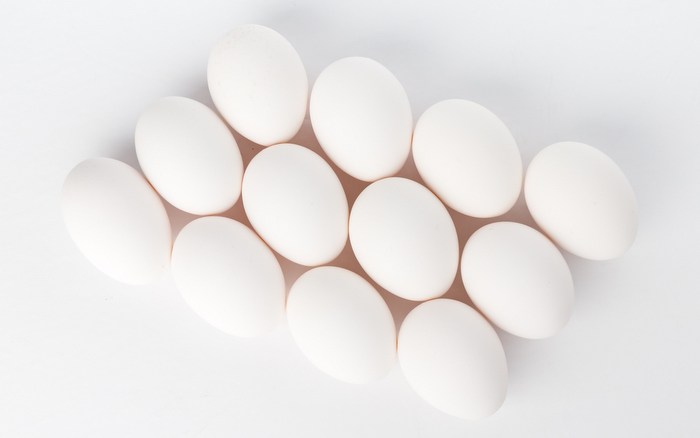
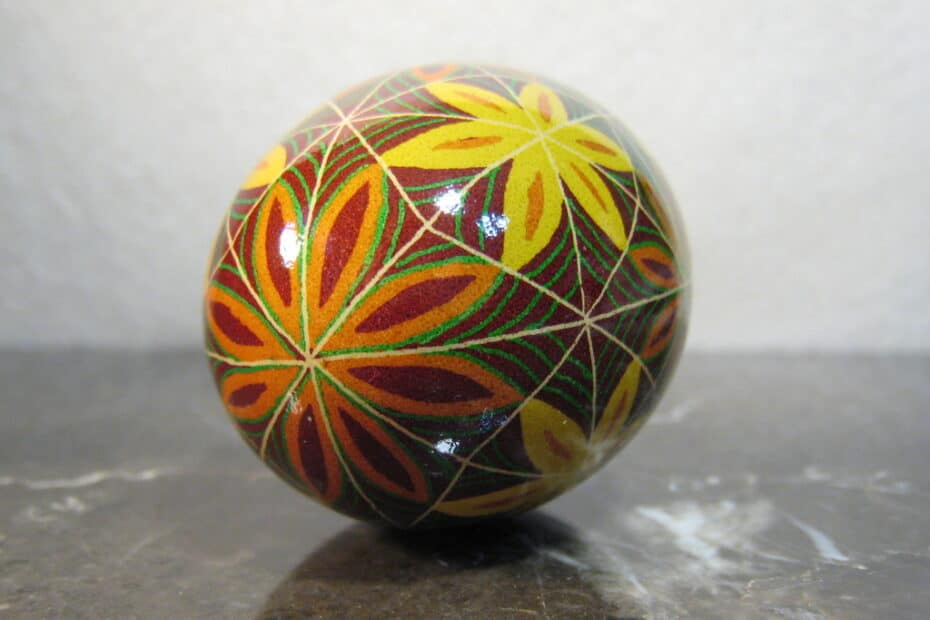
Beginning with this clean white chicken egg, I divide the egg into sections (mapping) using a No.2 pencil and a fabric measuring tape. I draw over the grid lines with beeswax using an electric wax… 

Egg Art: How To Find The Center for Drilling

  • by

I always admire egg artists that can just pick up an egg, and eyeball the divisions perfectly. I – on the other hand – need tools. There are a couple of ways to mark the… 

Egg Art: Final Varnish

  • by

The Stake Method The stake method is fairly involved, but it does leave a wonderful thick coating of varnish with no fingerprints, streaks, or nail-notches from an egg drying rack. I usually do this in… 

Egg Art: Blowing Out the Insides

  • by

Emptying your egg of the insides is scary at first, but after a few times, you will get the hang of it.  Honestly, I have lost very few eggs this way.  The eggshell is sturdier… 

Egg Art: First Varnish Seals the Design

  • by

Initial (light) Varnish Coat Here is where my method differs from common methods. I give the egg a coat of varnish before I empty it. The reason for this is because I clean out the… 

Egg Art: How To Get The Wax Off Your Egg

  • by

So. Your egg design is finished. You have done the final dye bath, and you now have a full egg with a lot of clumpy wax on it. There are a couple of methods of… 

Egg Art: How To Wax and Dye the Design

  • by

OK, now that you’ve successfully accomplished getting your lines straight you’ll be glad to know that sketching in the design is much easier and creatively fun. Draw in your pattern according to my instruction sheets,… 

Egg Art: How To Map Your Egg

  • by

I like to think of mapping the egg as the framework on which the design is placed. The more balanced the framework is, the nicer the result will be. You want to get your sections… 

Egg Art: How To Mix Up Your Dyes

  • by

I find the best jars to use are the wide-mouth pint canning jars.  They hold the correct amount of dye, the top is wide enough to allow a spoon to bring the egg out, and… 

Egg Art: How To Set Up Your Work Area

  • by

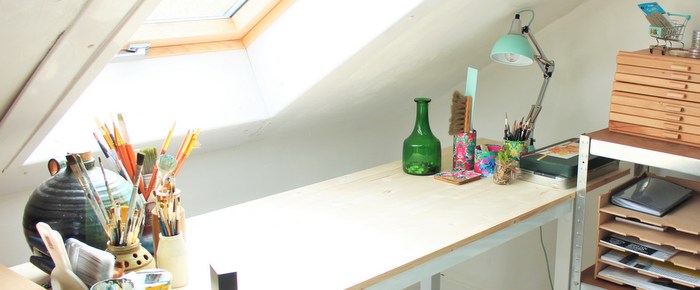
Having a dedicated place for working on your eggs is not essential, but it does make it easier if you are a double-tasker like me.  I am usually doing laundry or housework, or making dinner… 

Egg Art: How To Clean and Prepare your Egg for Designing

  • by

Eggs from the grocery store are perfectly fine to use, but they have likely been sprayed with a disinfecting cleaner. Fresh eggs are optimum, but they usually have dirt, poo, or handling smudges. Any surface…